Whether an organization is an emerging startup, a service based business, a nonprofit, or a growing company in any sector, the expectations placed on its digital presence have radically changed. In 2026, digital maturity has become the most defining factor of credibility. Customers, donors, stakeholders, and partners across all industries now evaluate an organization based on one immediate question: “Does this brand look capable?” The answer is derived not from conversations, intentions, or mission statements but from the strength of the digital experience that sits in front of them..
Users no longer differentiate between industries when they assess digital experiences. A visitor who donates to a charity also buys products online. A business owner who requests a proposal also books services digitally. This means the benchmark your audience applies to you is universal. You are being evaluated against the best experiences they interact with, not only those within your category. If your digital presence feels outdated, slow, confusing, or inconsistent, the mind subconsciously assumes your operations reflect the same weaknesses.
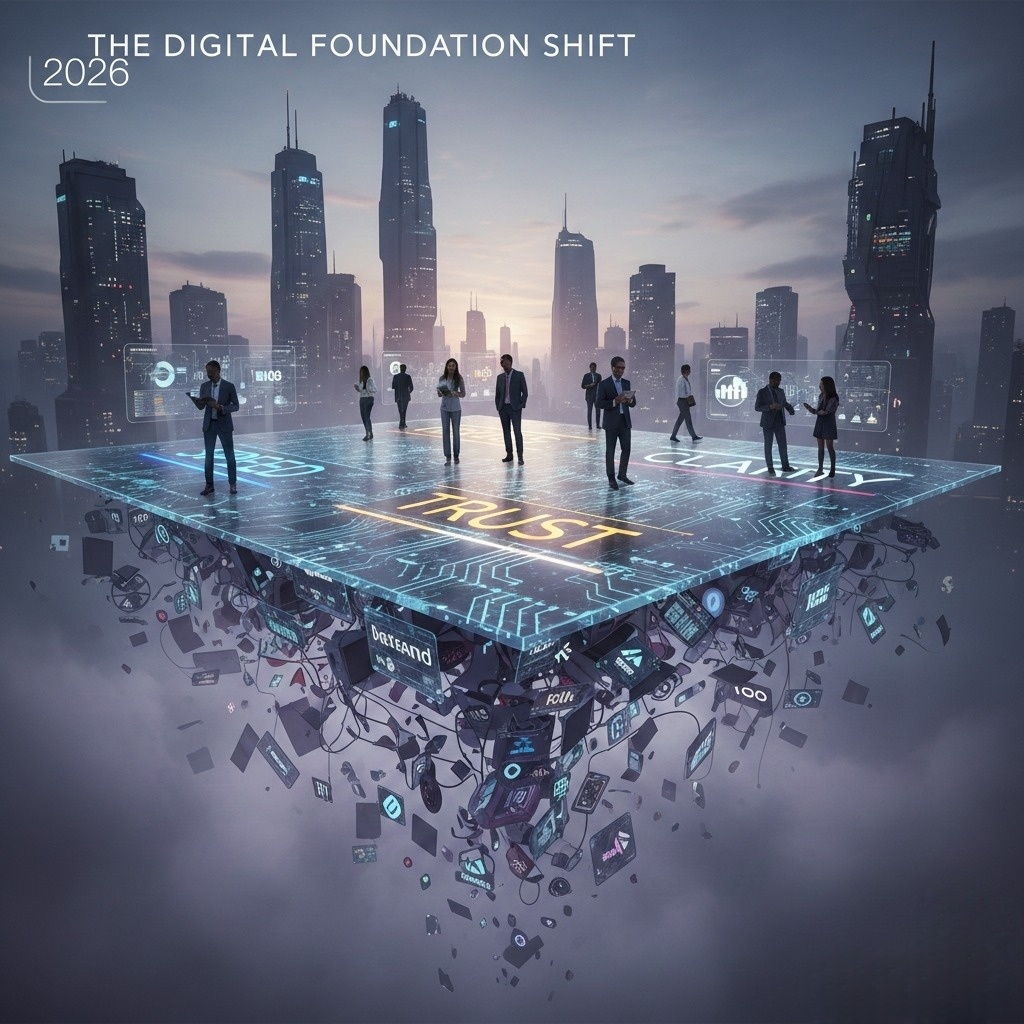
This is why digital growth today is no longer driven by simply having a “good website.” Modern organizations require a digital foundation engineered to communicate value in seconds, provide frictionless access to information, and remove any doubt regarding legitimacy or capability. The psychology behind digital trust is consistent across every geography and demographic. People trust brands that demonstrate stability, effort, clarity, and professionalism. A smooth interface, strong visual identity, consistent messaging, and clear structure trigger an immediate sense of confidence.
The danger is that most organizations lose potential stakeholders without realizing it. Outdated pages, inconsistent branding, missing information, slow load times, and illogical navigation silently push people away. These gaps do not create noise, they create absence. The opportunity simply disappears. This is why the shift toward modern digital maturity is not optional. It decides whether your brand earns trust or loses it before the first conversation even begins.

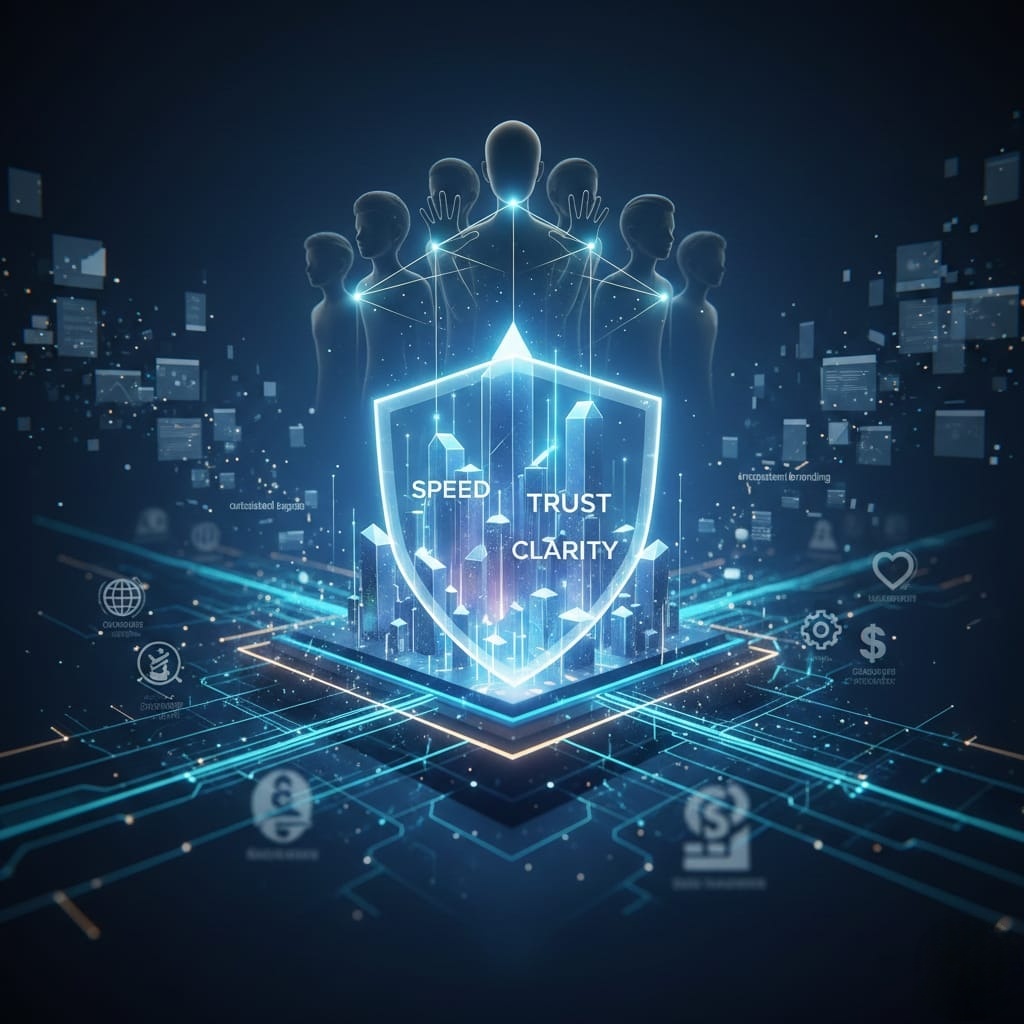
Organizations that thrive in 2026 are the ones that build a digital presence designed for clarity, speed, and credibility. They remove manual chaos, streamline their workflows, keep their message consistent, and present themselves with the level of seriousness required to compete in a crowded marketplace. Digital maturity has become a business standard, not a luxury because in a world where perception forms within three seconds, the quality of your digital foundation determines how far your organization can grow.